The second network problem
We built an eSIM platform that shipped millions of profiles. It worked brilliantly for one network. A second changed everything. That’s why Mindszi exists.

Scott MacKenzie
Co-founder, AI & Ops
 ChatGPT
 Claude
 Perplexity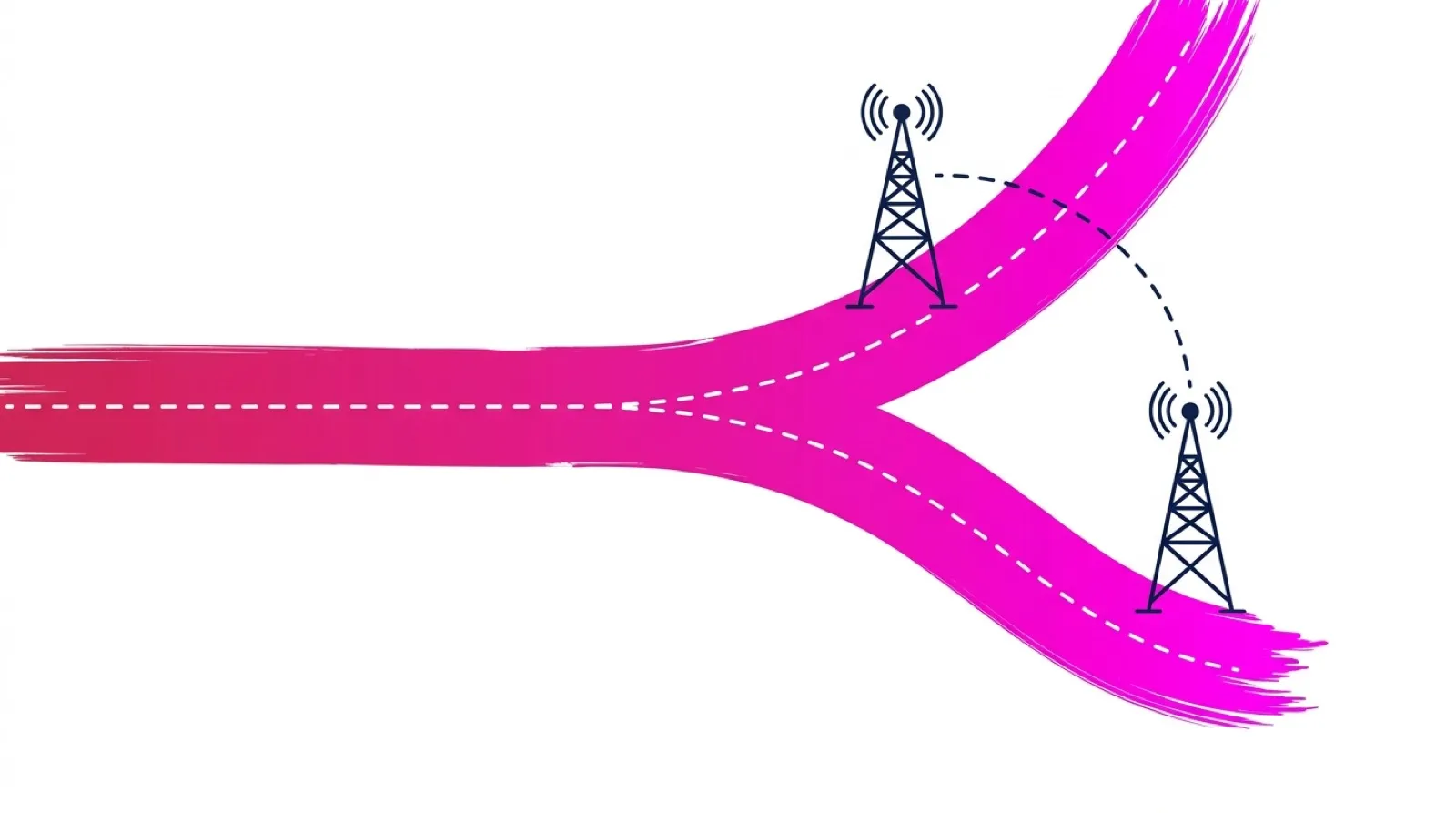
The platform that worked, for one network
At our last company we built an eSIM platform that distributed millions of profiles. It worked brilliantly. Customers activated in seconds, support was light, the numbers were good. For one network.
The moment we tried to add a second, it fundamentally broke. Plans, inventory, billing and provisioning had all quietly assumed a single carrier. Every new network meant rework, and the rework never ended. The foundations were wrong.
When we left, we knew exactly what to build. A platform designed from day one for multiple networks, multiple carriers, multiple markets.
The digitalisation gap in mobile
Mobile networks are engineering marvels. The software around them is decades behind. Launching a new mobile service still means a legacy BSS programme that takes 12 to 24 months, with enormous monthly fees before a single integration is added.
Every other industry got modern infrastructure. Payments got Stripe. Commerce got Shopify. Mobile got change requests and professional services. The gap between what the network can do and what an operator can ship is where the value leaks.
What a modern operator actually needs
A mobile business is not a SIM and a tariff. It is commerce, subscription management, billing, connectivity control and operations, all on one model, with apps and portals on top. Change one thing and the rest should already know.
And it has to be multi-network from the start. Not as a migration project later, but as an assumption in the data model. That is the thing we got wrong the first time, and the thing we refused to get wrong again.
The brand is yours, the rest is platform
The value chain is changing. The brand owns the customer and the experience. The platform absorbs the telecoms. The carrier provides the radio. Each does the part it is best at, and nobody is forced to rebuild the others.
That means an operator on a modern platform keeps what matters:
- Your carrier relationships and your margin.
- Your customers, your data and your IP.
- Your brand and your roadmap.
- The freedom to add or switch networks without touching the customer.
The AI moment for telecom
The other thing that changed is the cost base. Running a mobile business used to mean headcount: support queues, manual operations, reconciliation. AI changes that when it can see the live service instead of a help-centre article.
Agents run growth and support from live platform state. An operations agent runs the day-to-day. The result: a small team runs a competitive network that used to take an operations department.
Why now
eSIM is no longer the future. It is in the device in your pocket and, with SGP.32, in the vehicles and fleets around you. Carriers are opening up. AI is good enough to do real operational work. The pieces finally line up.
The technology exists. The advantage now goes to whoever can ship the product, not whoever can survive the integration.
A connectivity renaissance
When launching gets cheap and fast, more people launch. Travel brands, sports clubs, retailers, communities and operators can all run a serious mobile proposition without inheriting old telco drag. Slice, Simzy, eSIM Copilot and MobiFootball are early proof.
We built Mindszi to be the platform underneath that, designed from day one for the second network, and the hundredth. The question is not whether mobile gets rebuilt this way. It is when, and by whom.
Written by
Scott MacKenzie
Co-founder, AI & Ops
Scott co-founded Mindszi after leading product on eSIM platforms used across hundreds of millions of devices. Previously Director of Product at Truphone. He writes about mobile, operators and AI.